
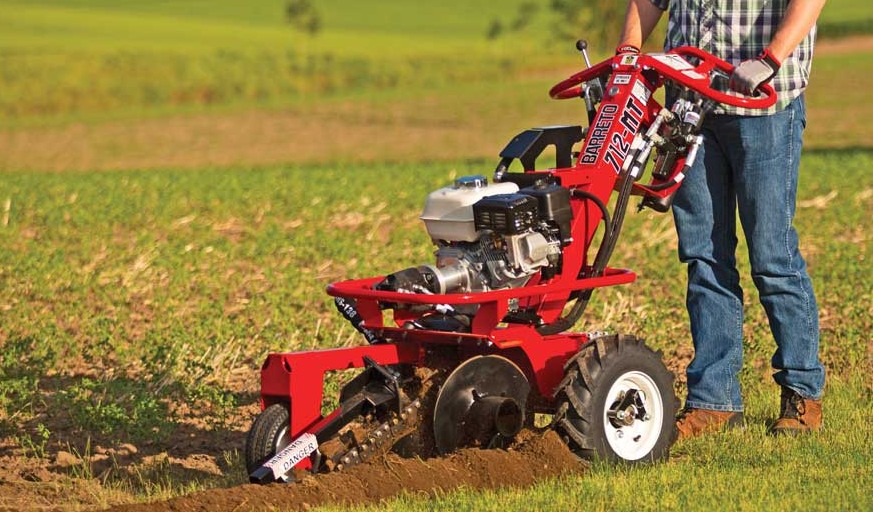
Trenching is a common part of construction, landscaping, agricultural, and infrastructure projects. The efficiency of the entire project can be significantly influenced by the creation of a clean and consistent trench, regardless of whether the task entails the installation of irrigation lines, electrical cables, drainage systems, or underground pipes. Traditional excavation methods can work well for larger areas, but they may remove more soil than necessary when a narrow trench is required.
A digger trencher attachment provides a more focused approach. Instead of relying on a separate machine for trenching, operators can equip compatible earthmoving machinery with an attachment specifically designed to cut through the ground. Choosing the right setup can help create cleaner trenches while making existing equipment more versatile.
Turning Existing Machinery Into A Trenching Solution
One of the practical advantages of attachments is the ability to expand what a machine can accomplish. Excavators and other compatible earthmoving machines are already used for digging, lifting, grading, and site preparation. Adding a trencher can introduce another capability without requiring an entirely separate machine for suitable projects.
This adaptability is particularly advantageous for contractors who frequently transition between various types of employment. An excavator might prepare a site during one stage of a project and then be fitted with a trencher when underground services need to be installed.
The result is equipment that can adapt to changing job requirements Rather than remaining dedicated to one task.
Cleaner Trenches For Underground Installations
Conventional digging buckets are excellent for general excavation, but their width and digging action may not always be ideal for narrow underground installations. Removing unnecessary material creates additional spoil that needs to be managed and can increase the amount of backfilling required afterwards.
A trencher attachment is designed to cut a more defined path through the soil. This can make it particularly useful when preparing routes for water lines, irrigation systems, communications infrastructure, electrical conduits, and drainage.
A controlled trench can also make the next stage of the project easier. Installers have a clearly established route in which to position pipes or cables before the ground is restored.
Match The Attachment To The Ground
Not every trenching project involves the same conditions. Loose soil presents different challenges from compacted earth, clay, roots, or rocky terrain. Selecting equipment without considering the ground can result in inefficient cutting and unnecessary wear.
The cutting chain and teeth are particularly important. Different configurations are designed to interact with different materials, so the intended working environment should be considered when selecting a trencher.
Contractors should also examine the required trench dimensions. The appropriate setup for a shallow irrigation line may differ from one intended for deeper utility installation. Matching the attachment to the actual project requirements helps create a more practical trenching system.
Consider Machine Compatibility
A trencher may be well suited to the ground conditions but still be unsuitable if it does not match the host machine. Hydraulic requirements, machine size, mounting arrangements, and operating capacity all need consideration.
Checking compatibility before purchasing an attachment can prevent performance problems later. The machine needs to provide the appropriate hydraulic performance for the attachment while remaining stable during operation.
Operators should follow the specifications and instructions supplied for both the host equipment and the attachment. Correct installation and operation are important for reliable performance and safe use on the job site.
Greater Precision In Confined Areas
Trenching does not always happen across large, open construction sites. Utility work, landscaping, property improvements, and maintenance projects can involve restricted areas where excessive excavation would create additional work.
A suitably sized trencher attachment can provide a focused way to approach these jobs. Rather than opening a broad excavation area, the operator can create a defined channel along the required route.
This precision can be valuable around landscaped spaces, pathways, existing structures, and other areas where unnecessary ground disturbance should be minimised.
Maintenance Supports Consistent Performance
Like other ground-engaging equipment, trenchers operate in demanding environments. Soil, stones, roots, and abrasive materials continually interact with the cutting components.
Routine inspection should therefore form part of equipment management. Operators should monitor cutting teeth, chain condition, tension, hydraulic connections, and other wear components according to manufacturer recommendations. Worn components can reduce cutting effectiveness and place additional stress on the equipment.
Cleaning the attachment after use can also make inspection easier and help identify wear or damage before the next project begins.
Building A More Flexible Equipment Setup
Modern earthmoving work often requires machinery to perform several different roles throughout a project. Attachments make it possible to adapt existing equipment to those changing requirements.
The right digger trencher attachment can turn compatible machinery into a more specialised tool for creating narrow, controlled trenches. Its usefulness can extend across construction, landscaping, agriculture, drainage, and utility installation.
Smarter trenching ultimately begins with matching the equipment to the task. Ground conditions, trench dimensions, machine compatibility, hydraulic requirements, and ongoing maintenance all deserve consideration. When those factors are addressed carefully, a trencher attachment can provide a practical way to expand machine capability while achieving cleaner and more controlled excavation.