
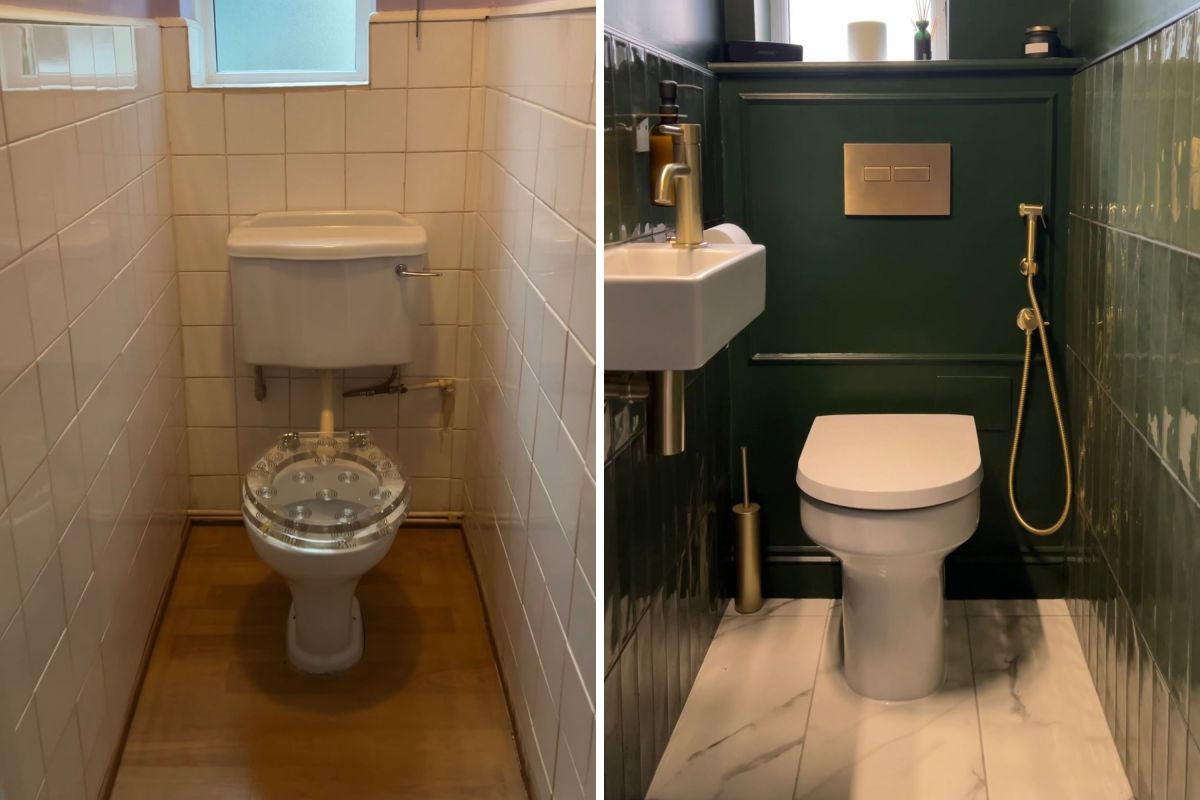
A bathroom makeover may drastically change a house’s look and use. The area is often made more aesthetically pleasing and comfortable with new flooring, contemporary fixtures, upgraded plumbing connections, and better layouts. But soon after the remodeling is finished, several homeowners find unanticipated toilet issues. When someone sits on a toilet that used to function flawlessly, it may start to leak, flush badly, make strange sounds, or shift. Plumbing alignment changes, installation mistakes, or missing parts during renovation are often the causes of these problems.
Knowing the possible causes of these problems may help homeowners identify problems early and avoid unnecessary damage to their freshly renovated bathrooms.
Inaccurate Toilet Flange Height Following Flooring Installation
The height of the completed floor may change when new bathroom flooring is installed, which might have an impact on the drainage pipe and toilet connection. For a dependable seal, the toilet flange, which fastens the fixture and connects it to the waste line, must be positioned properly.
The current flange may sit too low when the surrounding surface is raised by thicker tiles or more flooring layers. This may make it difficult for the wax ring or other sealing gasket to create a reliable connection.
When flushing, water may slowly seep behind the toilet, causing damage to flooring materials and offensive smells. In order to reestablish a secure connection, professional toilet repair services may evaluate the location of the flange and suggest appropriate modifications or replacement parts.
Uneven Flooring Causes Toilet Movement
When used regularly, a recently installed toilet should stay stable. However, minor imperfections in the flooring might sometimes be left behind after bathroom renovations, especially near the toilet base.
The toilet may not rest firmly due to uneven tiles, too much glue, or incorrectly positioned mounting bolts. Because of this, when someone sits down, the fixture could rock a little.
Despite the seemingly innocuous nature of this movement, frequent shifting may weaken plumbing connections and ruin the toilet seal. It may be necessary to level the fixture with appropriate shims and secure the mounting hardware without overtightening it for proper installation.
Just because the toilet keeps flushing properly does not mean that homeowners should ignore movement.
Poor Flushing Results Following Plumbing Changes
Sometimes upgrading a bathroom entails moving fixtures, changing drainage pipes, or moving the toilet. When the drainage system is not properly set, these changes may have an impact on flushing performance.
Wastewater circulation may be restricted by improper pipe slopes, misaligned fittings, or construction-related obstacles. Debris like grout, dust from construction, or tiny installation items may sometimes find their way into the drainage system.
A toilet that drains abnormally slowly or needs frequent flushes might be a sign of a growing obstruction. A professional examination can identify if the redesigned drainage network or the toilet is the source of the issue.
Water Supply Connections That Leak Unexpectedly
It is often necessary to detach and reconnect the water supply line while replacing a toilet. When restoration work disturbs older cutoff valves, worn washers, or incorrectly tightened connections, leaks may occur.
Initially, these leaks could show up as sporadic drips under the toilet tank or close to the wall connection. Persistent dampness may eventually harm adjacent construction materials, flooring, and cabinets.
Following renovations, homeowners should examine the supply line and look for moisture at connection points. Before water damage develops, a skilled expert who provides Toilet Repair Houston services may spot degraded fittings and swap out inappropriate parts.
Gurgling Sounds Caused By Ventilation Issues
Plumbing vents that let air flow through the pipes are essential to a drainage system’s effective operation. Venting systems may sometimes be hampered by changes made to drainage plans during significant restorations.
Flushing may result in slow drainage, strange water level fluctuations, or gurgling sounds when airflow is limited. The true reason has to be carefully assessed since these symptoms may potentially point to partial obstructions.
Guesswork should not be used to solve ventilation issues, as incorrect changes might have an impact on other bathroom fixtures. Whether the drainage and vent systems satisfy installation requirements may be ascertained with the aid of a professional evaluation.
Conclusion
After bathroom renovations, toilet issues are often caused by installation flaws rather than fixture flaws. Performance may be impacted by improper flange placement, uneven flooring, drainage alterations, unsecured supply connections, and damaged tank components. Homeowners may safeguard their restoration investment while maintaining the bathroom’s functionality, comfort, and dependability with careful testing, appropriate installation techniques, and prompt expert repairs.