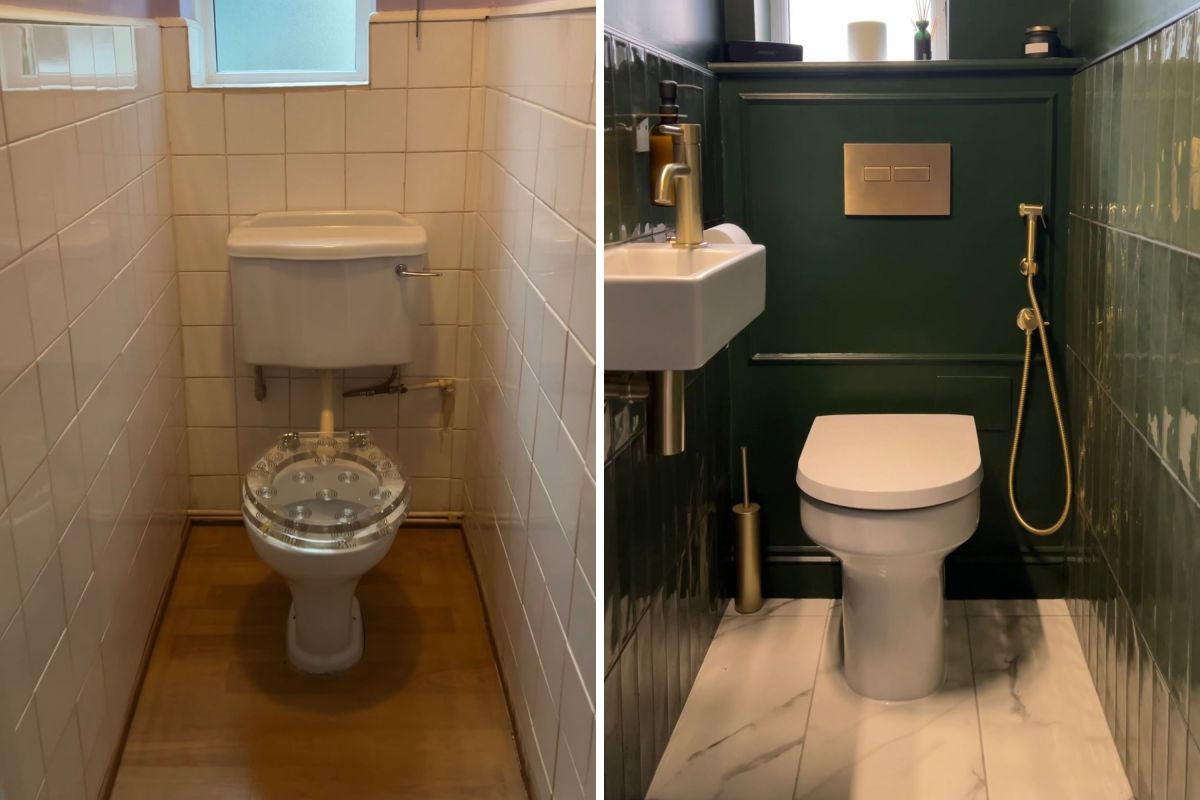
Keeping Bathroom Drains Clear in Houston’s Older and Newer Homes
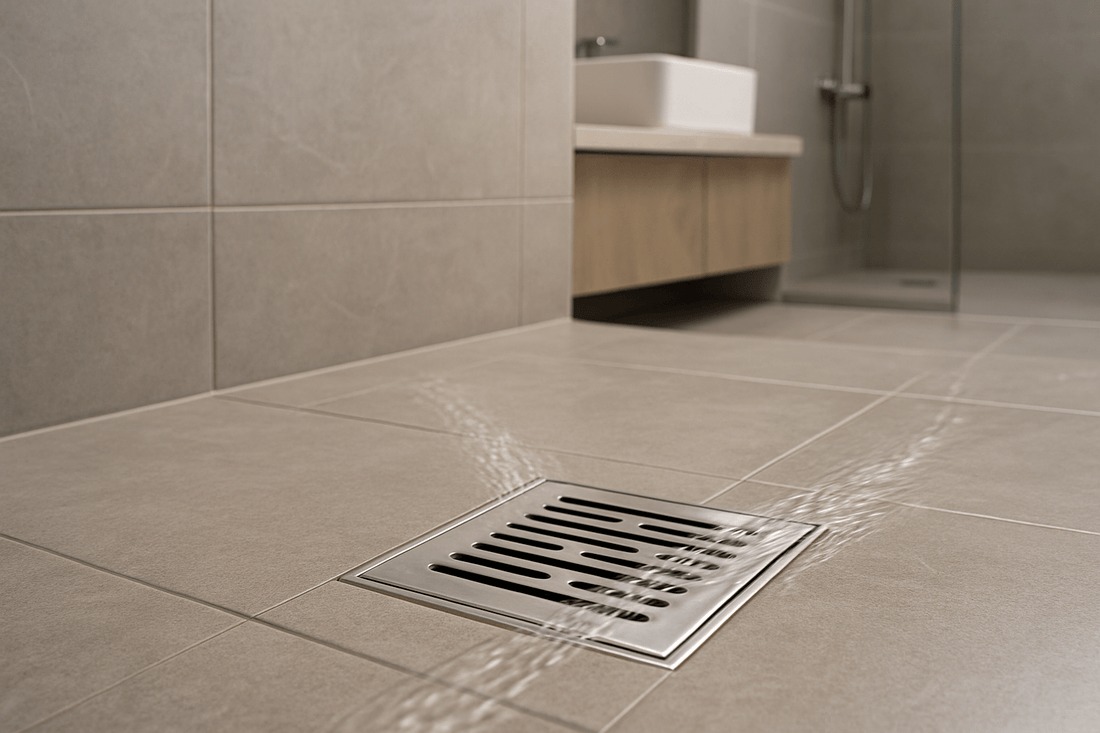
Bathroom drains handle a surprising amount of daily waste, including soap residue, hair, toothpaste, dirt, and cleaning products. Over time, these materials can accumulate inside pipes and restrict water flow. In Houston, both older properties and newly constructed homes experience drainage problems, although the underlying causes may differ. Understanding these differences helps homeowners maintain efficient plumbing systems, prevent recurring clogs, and avoid unnecessary repair expenses. Understanding Drainage Problems in Older Houston Homes Older homes often have plumbing systems that have been operating for several decades. Depending on their age and previous renovations, these properties may contain cast iron, galvanized steel, or other aging pipe materials. Corrosion, mineral deposits, and deteriorating interior surfaces can gradually reduce the space available for wastewater to flow. Professional Bathroom Drain Cleaning Houston services can help homeowners address stubborn blockages and identify potential problems within aging plumbing systems. When bathroom sinks or showers repeatedly drain slowly, the issue may involve more than ordinary hair accumulation. Pipe deterioration, improper connections, or deeper obstructions may require additional inspection. Older plumbing systems also deserve careful treatment because aggressive cleaning methods can sometimes worsen existing damage. Identifying the condition of the pipes before attempting extensive cleaning helps prevent avoidable complications. Why Newer Homes Can Still Experience Bathroom Drain Clogs New construction does not guarantee trouble-free drainage. Modern homes typically use PVC, ABS, or other approved plumbing materials designed for durability and efficient wastewater movement. However, everyday bathroom activities can still create blockages. Hair is particularly troublesome because it catches on drain components and combines with soap residue to form dense obstructions. Personal care products, shaving materials, and excessive toothpaste buildup can contribute to drainage restrictions. Construction debris can occasionally create problems in recently completed properties. Small amounts of grout, drywall residue, or other materials may enter plumbing fixtures during construction or renovation work. Homeowners should pay attention to drainage performance even when their plumbing systems are relatively new. Everyday Habits That Contribute to Blocked Drains Many bathroom drainage problems develop gradually because of repeated household habits. Washing loose hair directly into sink drains, allowing soap residue to accumulate, and disposing of inappropriate materials through bathroom fixtures can increase the likelihood of clogs. Certain products marketed as flushable may not break down quickly enough to move safely through household plumbing. Although these products generally affect toilets and sewer lines rather than sink drains, they can contribute to broader wastewater problems. Regularly removing visible debris from drain openings can reduce accumulation. Installing suitable drain strainers in showers and bathtubs also helps capture hair before it enters the plumbing system. The frequency of drainage issues may be considerably decreased by making little changes to regular habits. Recognizing Early Warning Signs of Drainage Trouble Bathroom drains rarely become completely blocked without showing earlier symptoms. Slow drainage is often the first indication that material is accumulating inside the pipes. Unpleasant odors may develop when organic debris remains trapped within the drain assembly. Gurgling sounds can sometimes indicate restricted airflow, partial obstructions, or problems involving the plumbing vent system. Water backing up into another fixture is particularly concerning because it may suggest a blockage within a shared drainage line. Homeowners should also watch for recurring clogs that return shortly after cleaning. Persistent problems may require professional inspection rather than repeated temporary treatments. Safe Cleaning Methods for Routine Maintenance Preventive maintenance should focus on removing debris without damaging plumbing components. A removable drain stopper can often be cleaned manually to eliminate trapped hair and accumulated residue. A suitable drain strainer provides another simple protective measure. Cleaning these accessories regularly prevents collected material from restricting water flow. For minor obstructions, a properly used plunger or manual drain cleaning tool may help restore drainage. However, homeowners should avoid forcing equipment into unfamiliar plumbing arrangements. Chemical drain cleaners require particular caution. Some products can cause burns, damage certain materials, or create hazardous conditions when mixed with other cleaning substances. When routine maintenance fails, professional assistance is generally safer than repeatedly applying aggressive chemicals. Choosing the Right Maintenance Approach for Different Homes The age and condition of a property should influence its drain maintenance strategy. Older Houston homes may benefit from periodic plumbing evaluations, particularly when corrosion or recurring blockages are already present. Newer properties generally require consistent preventive cleaning and careful disposal habits. Homeowners should also ensure that bathroom fixtures and drain components remain properly installed. Professional plumbers may recommend mechanical cleaning, targeted repairs, or camera inspections when symptoms indicate deeper problems. Not every slow drain requires extensive equipment, making accurate diagnosis important. Conclusion Keeping bathroom drains clear requires more than responding to occasional clogs. Houston homeowners should consider their property’s plumbing age, daily bathroom habits, and early warning signs when developing a maintenance routine. Older systems may require additional attention because of deterioration, while newer systems remain vulnerable to everyday debris accumulation. Consistent cleaning, appropriate preventive measures, and timely professional inspections can help maintain reliable drainage and reduce the likelihood of unexpected plumbing repairs. Christopherwww.bandhkamkamgar.org